The Pathways Linking Instant Messaging Tools to Layered Reward Unlocks in Virtual Prize Draw Events
Riley Richter · Sep 26, 2026
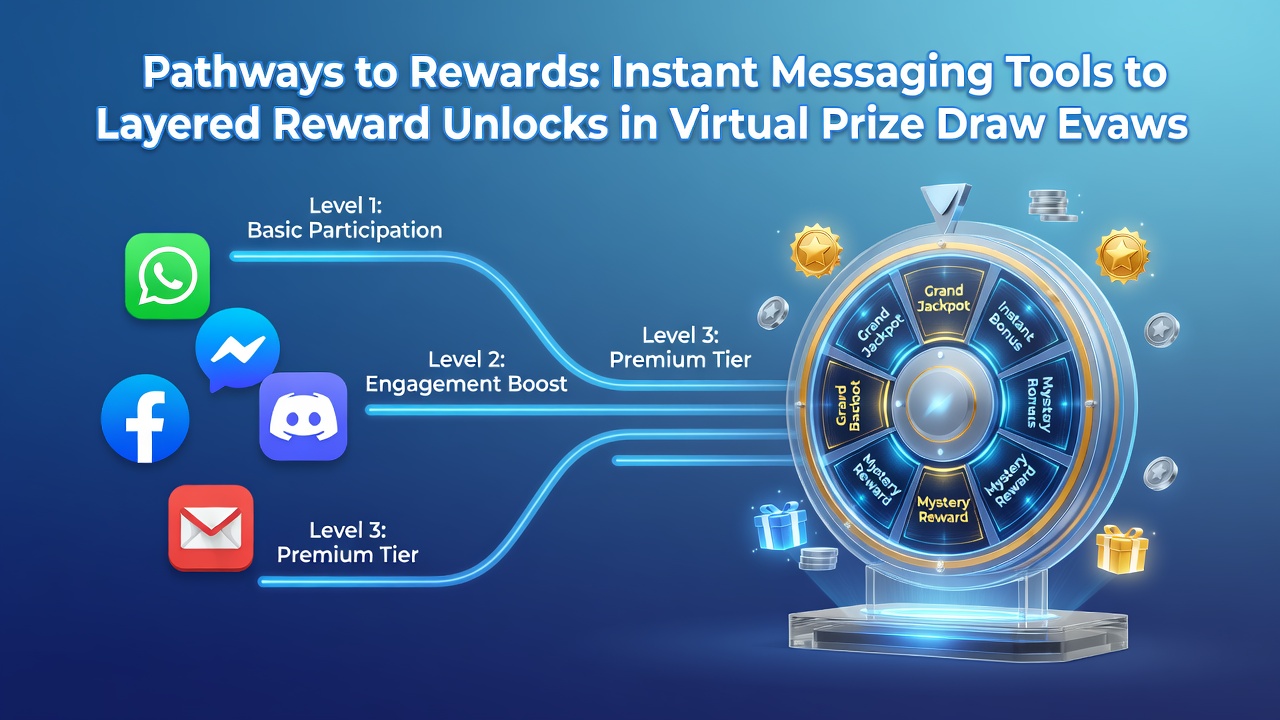
The Pathways Linking Instant Messaging Tools to Layered Reward Unlocks in Virtual Prize Draw Events
Virtual prize draw events have expanded across digital platforms in recent years, and instant messaging tools now serve as direct channels that guide participants through successive reward layers, according to industry analyses released in 2025. These tools transmit notifications about entry requirements, progress milestones, and unlock conditions while maintaining real-time connections between event organizers and users across multiple time zones.
Core Mechanisms of Integration
Instant messaging platforms embed structured prompts that align with each reward tier, allowing participants to receive sequential updates on eligibility criteria without leaving the conversation window. Data from platform usage reports show that messages containing personalized progress summaries increase completion rates for initial entry steps by directing users to specific actions such as form submissions or verification tasks. Researchers tracking these flows note that the same messaging threads later surface details about mid-tier unlocks, which often require accumulated participation points or referrals shared through the chat interface itself.
Layered reward structures in these events typically divide into three or more stages, beginning with basic access grants and advancing toward premium prize allocations. Instant messaging facilitates transitions between stages by delivering time-sensitive codes or links that activate the next level once prior conditions are met, and studies conducted by European digital entertainment research groups confirm that this method reduces drop-off rates compared with email-only systems.
Notification Timing and User Pathways
Timing plays a measurable role in how users move through reward layers, with messaging systems sending alerts at intervals that correspond to event schedules published for September 2026. One observed pattern involves early-stage messages that confirm registration, followed days later by reminders about bonus entry windows tied to group challenges completed within the chat. Observers tracking participant logs report that users who respond to these sequenced prompts within the first hour after receipt show higher advancement rates to subsequent tiers.
Geographic variations appear in adoption patterns, where platforms serving North American audiences integrate messaging with push notifications that link directly to mobile prize draw dashboards, whereas Asia-Pacific services emphasize group chat features that allow collective progress tracking toward shared unlocks. Figures released by the Interactive Games and Entertainment Association indicate steady growth in cross-border participation facilitated by these unified messaging environments through 2025.
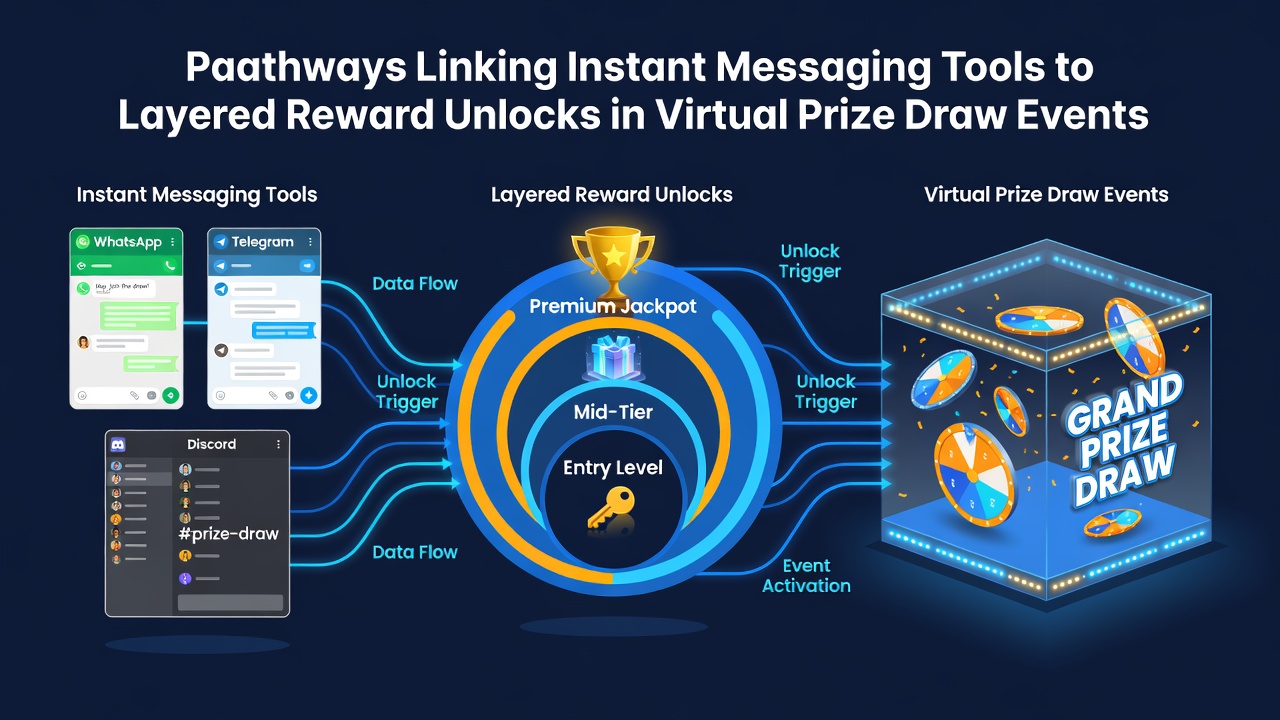
Data Flows and System Architecture
Backend systems connect messaging servers to reward databases through application programming interfaces that update user profiles in real time once message interactions are logged. This architecture supports conditional unlocks where receipt of a confirmation reply in chat triggers the release of additional prize draw entries or multiplier bonuses. Reports from academic studies at institutions examining digital engagement patterns highlight that such automated linkages maintain audit trails required for transparent event administration across regulatory jurisdictions.
Security protocols within these pathways incorporate encrypted message delivery and two-factor verification steps delivered via the same chat window, ensuring that reward redemptions remain tied to verified identities. Data compiled by Canadian digital policy research centers shows that platforms employing these combined verification methods experience fewer disputes over tier progression during large-scale virtual draws scheduled for late 2026.
Community Features and Collective Unlocks
Group messaging channels enable collective reward pathways where multiple participants contribute to shared milestones that unlock community prizes. Event organizers deploy bots within these channels to tally contributions and broadcast updated standings, which in turn prompt further individual actions that feed back into the layered system. Analyses of participation metrics from 2025 events demonstrate that these communal elements extend session durations and increase the number of completed tiers per active user.
Cross-platform compatibility allows messaging tools to operate alongside dedicated prize draw applications, with handoff links embedded in chat threads that preserve progress data across interfaces. This continuity supports users who switch devices mid-event while retaining access to accumulated rewards.
Conclusion
Instant messaging tools continue to function as central connectors within the operational frameworks of virtual prize draw events, routing participants through defined reward layers via timed notifications, verification steps, and group coordination features. Available usage data and architectural descriptions from multiple regional sources illustrate consistent integration patterns that support both individual and collective progression toward unlock conditions. These pathways reflect ongoing adaptations in digital event management as platforms prepare for expanded activities projected through September 2026.